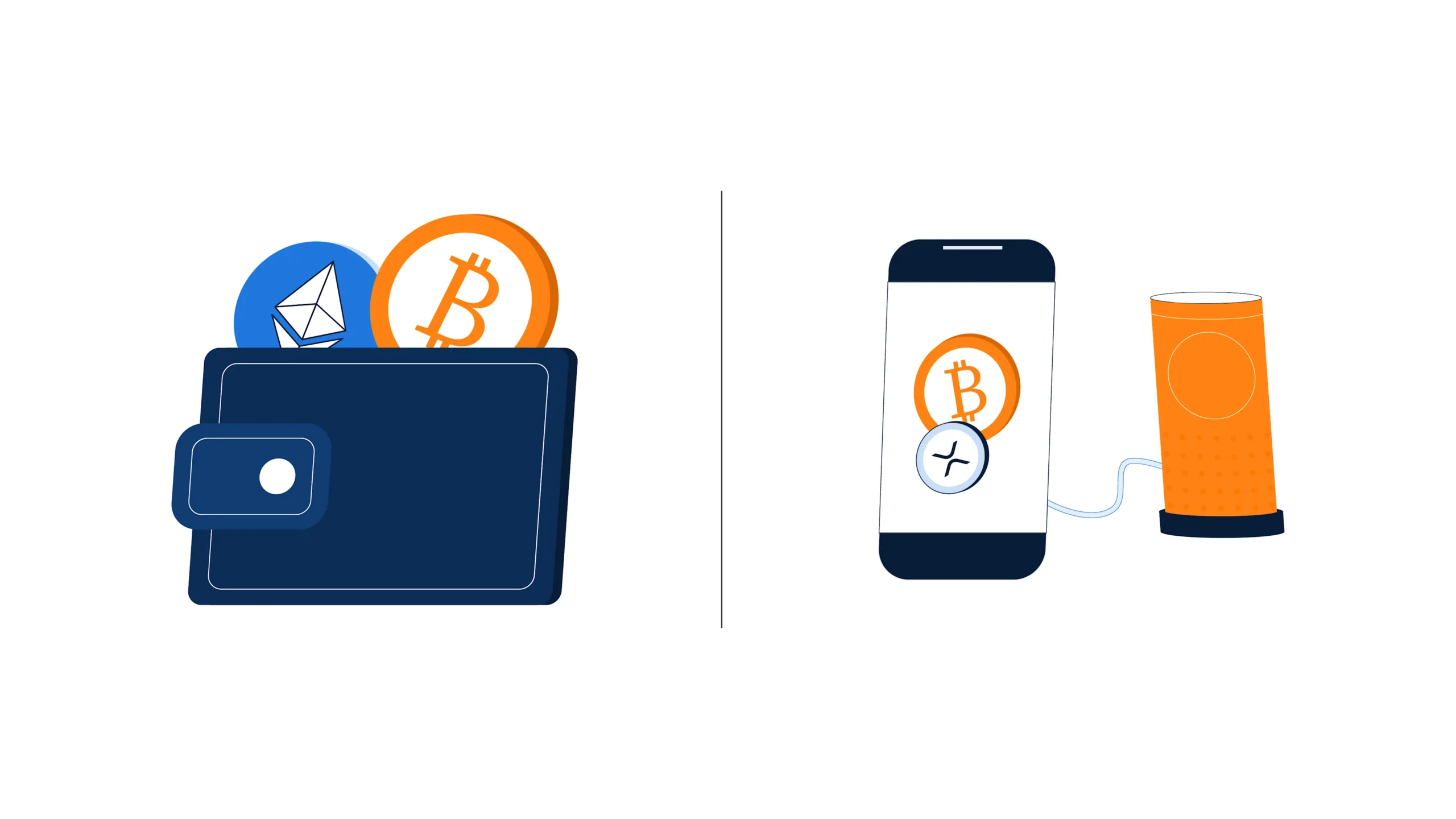
Hot wallets stay online for quick access and live keys, while cold wallets remain offline for stronger security. Keys and seeds are handled differently: hot wallets prioritize speed with online keys; cold wallets protect assets with offline storage. The choice hinges on risk tolerance and use case, balancing immediacy with protection. A practical hybrid approach can offer both rapid transactions and robust safeguarding, but it requires careful setup and disciplined controls to avoid gaps. The right mix invites further consideration of how to implement it.
What Hot Wallet and Cold Wallet Mean in Plain English
A hot wallet and a cold wallet are two ways to store cryptocurrency, differing mainly in connectivity and risk. A hot wallet stays online for quick access, enabling live keys with active transactions.
A cold wallet remains offline, prioritizing security over speed.
Each option serves freedom-minded users seeking control and choice in managing digital assets.
hot wallet, cold wallet, live keys.
How Each Wallet Works: Keys, Seeds, and Access
In hot and cold wallets, functionality centers on how keys, seeds, and access are managed. hot wallets store keys online for quick use, while cold wallets keep keys offline for security. Seeds are recovery phrases enabling asset restoration, and access governs who can sign transactions. hot wallets enable speed; cold wallets emphasize protection, redundancy, and user control.
When to Use Hot vs Cold Wallets: Use Cases and Trade-offs
Hot wallets suit active use and smaller, frequent transactions, while cold wallets are preferred for long-term storage and larger holdings; each approach carries distinct trade-offs between convenience, speed, security, and risk management.
In practice, hot wallet use supports rapid access and daily trades, whereas cold wallet use prioritizes protection and cost of withdrawal.
Choice hinges on risk tolerance and required liquidity.
Practical Setup Guide: Protecting Funds With a Hybrid Approach
Hybrid security combines the immediacy of hot wallets with the fortification of cold storage to balance accessibility and protection.
A practical setup distributes funds between a secure hot storage for daily needs and offline vaults for long-term reserves.
Implement clear recovery questions, document seeds securely, and review access controls regularly to mitigate hot storage pitfalls and sustain freedom.
See also: Immersive Tech in Education Systems
Frequently Asked Questions
Can Hot Wallets Be Hacked if I Use 2FA?
A hot wallet can still be hacked despite 2FA; hot wallet vulnerabilities persist, and 2fa effectiveness is not absolute. Users should assess risk, maintain best practices, and limit exposure to sensitive keys while seeking secure, freedom-centered, informed choices.
Are Mobile Wallets Safer Than Desktop Wallets?
Mobile wallets can be safer than desktop wallets in some scenarios, but both can be compromised; hot wallets are riskier, while cold wallets offer stronger protection. Users balancing freedom should consider device security, recovery options, and trusted ecosystems for mobile wallets, desktop wallets.
What Fees Exist for Using Hot Wallets?
Like a tide adapting to shore, hot wallets incur fees: network costs, exchange charges, possible withdrawal or service fees. They carry security implications: quicker access but greater exposure; users should balance convenience against risk when estimating hot wallets fees.
How Often Should I Rotate Seed Phrases?
Seed phrase rotation is not frequent; conduct a periodic risk assessment and monitor exposure. Seed phrase longevity depends on hardware security. Prioritize offline storage, backups, and secure recovery; balance convenience with prudent seed management for freedom.
Can Cold Wallets Be Used for Daily Transactions?
A striking 90% of crypto thefts stem from poor seed handling, yet cold storage vs daily spend shows limited usability. Cold wallets can handle small, frequent transactions, highlighting usability vs security tradeoffs in daily spend decisions.
Conclusion
A concise conclusion in a detached, euphemistic style:
In the delicate dance between speed and safety, hot wallets offer brisk accessibility while quietly inviting vigilance. Cold wallets, steady and secluded, gently reduce exposure to risk. A thoughtful middle path invites parity: keep essential liquidity reachable, yet cradle the majority in offline, secure havens. With disciplined access controls and mindful recovery practices, users navigate liquidity needs and long-term security, maintaining balance without surrendering confidence to either extreme.
