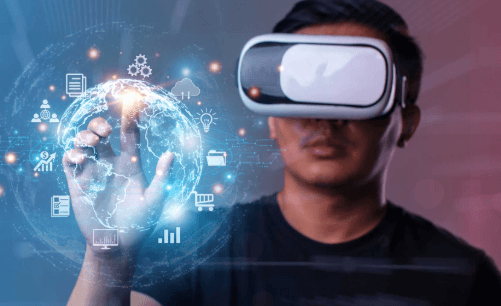
Immersive technology reshapes classrooms by pairing virtual, augmented, and mixed reality with traditional instruction. It supports structured experimentation, collaborative inquiry, and authentic assessment. Schools must choose tools that fit their context, design pedagogy around immersive experiences, and monitor outcomes with equity in mind. Practical implementation hinges on transparent practices, student comfort, pacing, and safety. The approach promises measurable gains, yet challenges remain—and the next steps demand careful alignment across educators, administrators, and communities.
How Immersive Tech Redefines Classrooms
Immersive technologies, such as virtual, augmented, and mixed reality, are reshaping classrooms by providing interactive, experiential learning that complements traditional instruction. They enable structured experimentation, collaborative exploration, and measurable progress. Exploration biases are mitigated through guided tasks and diverse scenarios, while user comfort informs interface design and pacing. Practical implementation emphasizes evidence-based outcomes, transparent assessment, and scalable adoption across varied learner profiles and settings.
Choosing the Right Immersive Tools for Your Edu Context
Choosing the right immersive tools for an educational context requires a structured evaluation of learning goals, available hardware, and user needs. The approach favors practical, evidence-based judgment, balancing scalability with flexibility. Consider blockchain funding options for sustainable trials, and assess holographic authoring as a means to extend collaboration across disciplines. Decisions should be transparent, iterative, and oriented toward shared educational freedom and robust outcomes.
Designing Pedagogy Around Immersive Experiences
How should pedagogy be structured to leverage immersive experiences effectively within classroom contexts? Pedagogical immersion should guide design, aligning activities with clear objectives, scaffolded inquiry, and collaborative reflection.
Experiential assessment informs progress through authentic tasks, portfolios, and iterative feedback. Programs balance autonomy and support, promote cross-disciplinary connections, and privilege learner agency while preserving rigor, inclusivity, and safety in immersive environments.
Measuring Impact and Addressing Equity in Immersive Education
Measuring impact and addressing equity in immersive education requires indicators that reflect both student outcomes and lived experience within immersive environments. Practical evaluation combines quantitative impact metrics with qualitative narratives, ensuring actionable insights. Collaboration among educators, researchers, and communities informs equity interventions, guiding iteration and policy alignment. Transparent reporting builds trust, while ongoing refinement secures scalable, inclusive benefits for diverse learners.
See also: Immersive Technologies in Retail
Frequently Asked Questions
What Are the Long-Term Maintenance Costs for Immersive Equipment?
The long term maintenance for immersive equipment varies, but generally includes routine calibration, software updates, component replacements, and occasional repairs; organizations should budget for ongoing support, spare parts, and training to sustain operational reliability and collaborative experimentation.
How Do We Train Teachers With Limited Tech Backgrounds?
Teachers with limited tech background receive practical, evidence-based training programs, peer collaboration, and ongoing support; scalable curricula emphasize fundamentals, supervision, and hands-on practice, enabling confident classroom integration while preserving autonomy and freedom of instructional choice.
Are There Privacy Concerns With Biometric or Tracking Data?
Privacy concerns surround biometric data and tracking, necessitating transparent governance. The stance emphasizes robust data minimization, consent, and independent audits; trust and buy in hinge on verifiable safeguards, clear purposes, and collaborative, evidence-based policy development.
What Standards Ensure Accessibility Across Diverse Learners?
Standards accessibility ensures inclusive design across diverse learners by mandating interoperable formats, assistive technology compatibility, and universal design for learning principles; practitioners collaborate with researchers to implement evidence-based, practical practices that respect learner autonomy and freedom.
How Can Schools Secure Buy-In From Skeptical Stakeholders?
Optimism sails on calm seas; stakeholders’ skepticism requires transparent data, pilot results, and inclusive planning. Schools deploy buy in strategies grounded in evidence, collaborative messaging, and clear ROI, addressing concerns while enabling freedom to innovate within shared goals.
Conclusion
This study confirms what many educators already suspect: immersive tech promises transformative learning, while delivering mostly receipts and cautious optimism. In practice, schools will happily pilot dazzling headsets, yet still debate fundamentals—time, training, equity, and assessment. The irony is not in the tech itself but in the patience required to blend novelty with proven pedagogy. When implemented transparently, collaboratively, and equitably, immersive experiences can indeed elevate outcomes—as long as they support, never supplant, solid instructional design.
